PHONE:
(302) 464-5180
EMAIL:
adminteam@
empowermedelaware.com
Empower Me Inc. has been trained, certified, and approved by DSAMH to educate and distribute Narcan (Naloxone) to Delawareans.
If you are interested in learning how you can be prepared to administer Narcan and potentially save a life, feel free to contact us.
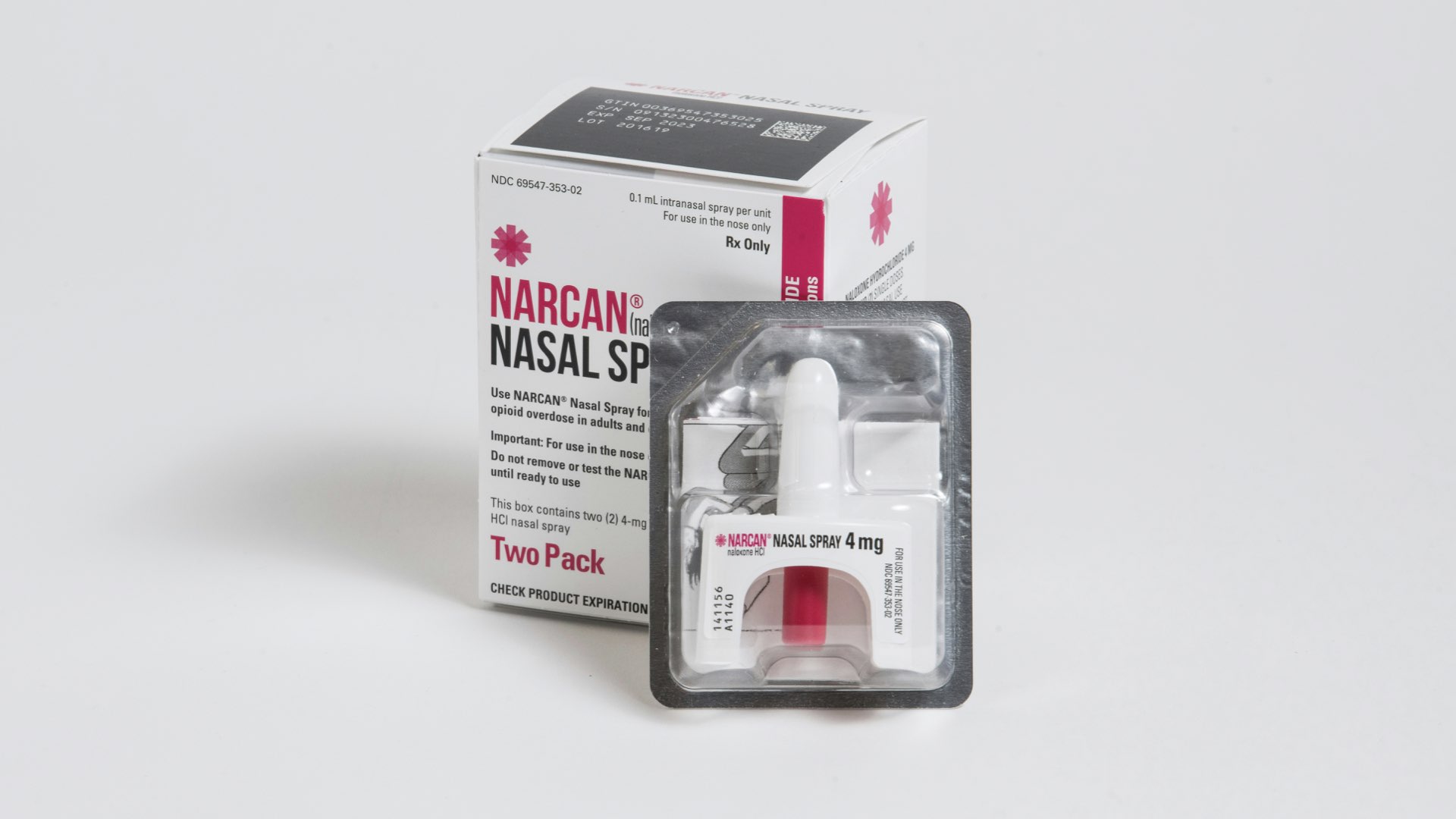
Naloxone, for example Narcan®, is a medicine that can help people who are overdosing on an opioid. Opioids include prescription medications, heroin, and fentanyl. Sometimes other drugs, including cocaine and methamphetamine, are mixed with fentanyl.
Naloxone can reverse the effects of an overdose from opioids, including:
Naloxone can be administered by bystanders and is available as a(n):
Nasal Spray: Prefilled devices that spray medication into the nose.
Injectable: Medication (solution) given by injection into a muscle or under the skin.
For more information on the different forms of naloxone and how to use them please visit Lifesaving Naloxone.
Naloxone will not harm someone if you give it to them and they are not overdosing on an opioid.
Naloxone can be given safely to people of all ages, from infants to older adults. This includes an adolescent or young adult who may have unintentionally taken an opioid.
During an overdose, a person’s breathing can be dangerously slowed or stopped, causing brain damage or death. It’s important to recognize the signs and act fast, even before emergency workers arrive.
If you think that someone is overdosing, please give them naloxone or any other opioid overdose reversal medication.
Signs of overdose may include:
Naloxone is one important step when helping someone who is overdosing.
If you think that someone is overdosing on an opioid or another substance:
Naloxone quickly reverses an overdose by blocking the effects of opioids. It can restore normal breathing within 2 to 3 minutes in a person whose breath has slowed, or even stopped, as a result of opioid overdose.
Start by administering one dose of naloxone and wait 2-3 minutes to see if normal breathing returns before giving a second dose. Giving more than one dose of naloxone may not be necessary.
*Most states have Good Samaritan Laws that may protect a person who is overdosing of the person who called for help from legal trouble.
If you have naloxone, you can potentially save a life.
Talk to your doctor or pharmacist if you or someone you know is taking prescribed opioids or using illegal opioids. You may also want to ask about naloxone if you work or volunteer in an environment where you may be able to help someone who is overdosing.
The cost of naloxone varies depending on where and how you get it, as well as your health insurance. People with insurance can check with their insurance company to see what the cost is, while individuals without insurance can check with their local pharmacies.
Contact your local health department to learn about community programs that may provide naloxone for free or for a reduced cost. You can also get naloxone from community-based naloxone programs and most syringe services programs